
Key Takeaways
- Regular health screenings help families monitor physical and cognitive changes in older adults over time.
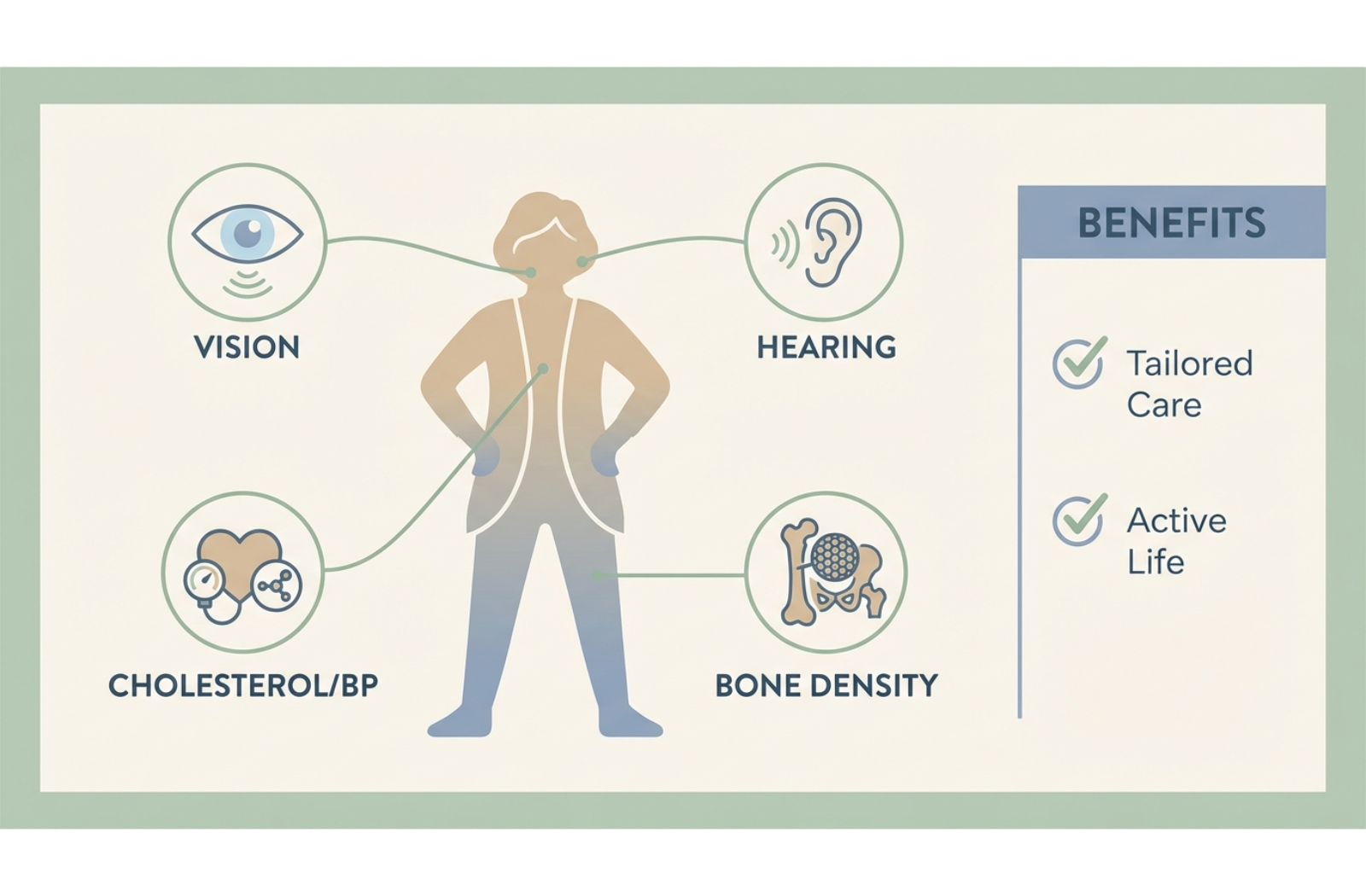
- Common screenings for seniors include blood pressure checks, diabetes monitoring, hearing exams, vision screenings, and bone density evaluations.
- Routine evaluations can help providers identify concerns earlier and support more informed care planning.
- Changes in mood, memory, mobility, appetite, or communication may signal the need for additional medical support.
- Health screenings can help memory care teams better understand a resident’s changing needs and daily challenges.
What Regular Health Checks Mean for You
It’s not always easy to tell when a loved one’s health needs are beginning to change. Some changes happen gradually over time, while others appear more suddenly after an illness, fall, or period of confusion. For many families, regular health screenings can provide a clearer picture of what’s happening and help them feel more prepared to support an older parent or family member.
Routine screenings do more than identify medical concerns. They can help families track changes in mobility, memory, hearing, vision, and overall well-being while giving care teams important information to guide support decisions. Whether your loved one lives at home, receives short-term respite care, or benefits from memory care services, regular health evaluations can play an important role in maintaining comfort, safety, and quality of life.
Why Routine Health Screenings Matter for Older Adults
As people age, health needs often become more complex. Conditions like high blood pressure, diabetes, hearing loss, and cognitive decline can develop gradually, making them difficult to recognize right away without regular monitoring.
Routine screenings help providers identify changes earlier and establish a clearer health baseline over time. This information can make it easier for families to understand what support a loved one may need now and what adjustments may become necessary in the future. These screenings reduce uncertainty, because you can proactively make decisions to preserve your loved one’s quality of life long before problems develop.
Common Health Screenings Older Adults May Need
Different screenings may be recommended depending on a person’s age, medical history, and overall health. Providers can help families determine which evaluations make the most sense for their loved one’s needs.
Blood Pressure and Cardiovascular Screenings
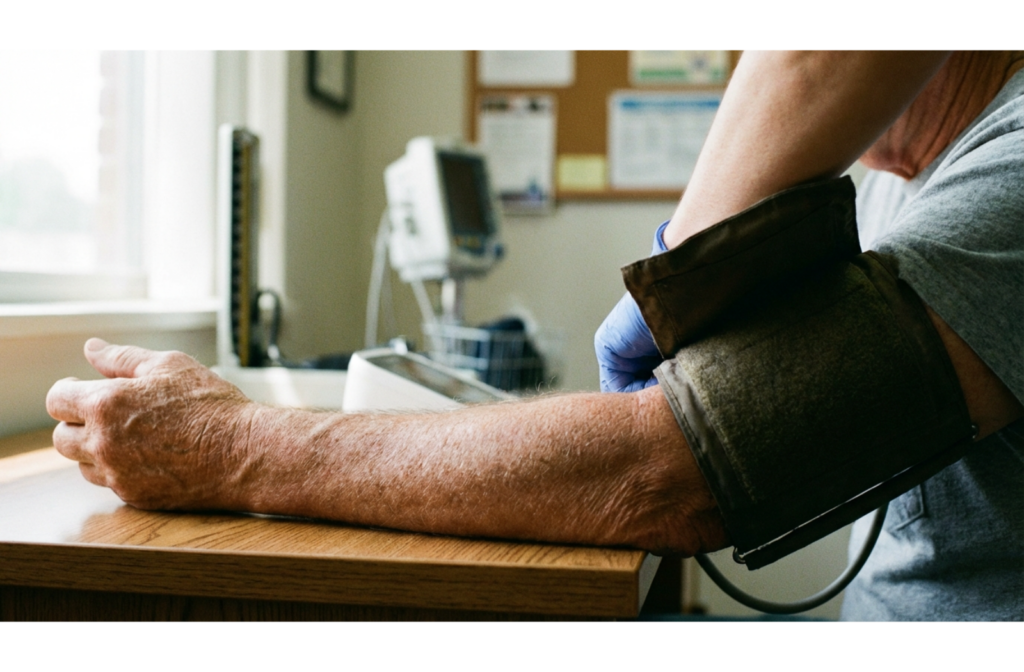
Routine blood pressure checks can help providers monitor heart health and identify concerns that may increase the risk of stroke, dizziness, fatigue, or circulation problems. Many older adults also receive cholesterol screenings and other cardiovascular evaluations to help track long-term heart health and medication effectiveness.
Blood Sugar and Diabetes Monitoring
Blood sugar screenings can help detect diabetes or monitor existing conditions that affect energy levels, circulation, and overall wellness. These evaluations may also help explain changes in appetite, fatigue, confusion, or healing that families sometimes notice over time.
Vision and Hearing Screenings
Changes in hearing and vision can affect communication, safety, and daily routines. Older adults who struggle to hear conversations or see clearly may become more withdrawn, frustrated, or prone to falls. Regular screenings can help families identify these issues earlier and discuss supportive solutions with providers.
Bone Density and Mobility Evaluations
Bone density scans and mobility assessments help providers evaluate fall risk and overall physical stability. These screenings can provide useful information about balance, strength, and fracture risk while helping families better understand whether additional support or environmental adjustments may be needed.
Health Changes Families Should Pay Attention To
Families often notice subtle changes before a formal diagnosis or care recommendation occurs. Paying attention to these shifts can help caregivers know when it may be time to schedule additional evaluations or ask providers more questions.
Some changes worth monitoring include:
- Increased forgetfulness or confusion
- Changes in mood or personality
- Difficulty following conversations
- Trouble walking or standing safely
- Frequent falls or balance concerns
- Changes in eating habits or weight
- Withdrawal from hobbies or social interaction
- Trouble managing medications or daily routines
Not every change signals a serious condition, but patterns that continue or worsen over time should not be ignored.
Supporting Health Monitoring in Memory Care
For older adults living with dementia or other cognitive conditions, routine health screenings can help care teams recognize changes that may otherwise go unnoticed. Shifts in hearing, vision, mobility, sleep, appetite, or overall physical health can sometimes affect behavior, communication, and daily comfort in ways that are difficult for families to track alone.
In memory care, updated health information helps caregivers better understand a resident’s current needs and adjust support as those needs change over time. This allows families, providers, and caregivers to stay more aligned while helping residents receive consistent, thoughtful care each day.
Compassionate Memory Care Support at Liana of Venice
Watching a loved one’s health change over time can feel overwhelming, especially when memory loss or ongoing medical concerns begin affecting daily life. Regular health screenings can help families better understand those changes, ask more informed questions, and make care decisions with greater clarity and confidence.
At Liana of Venice, we understand how personal these decisions can be for families. Our team works closely with residents and their loved ones to provide thoughtful memory care support in a calm, welcoming environment where each person is treated with patience, dignity, and compassion. Schedule a tour at Liana of Venice today to learn more about our approach to personalized memory care.