


Key Takeaways
- An open conversation about your concerns and seeking a diagnosis can empower your loved one to participate in future planning.
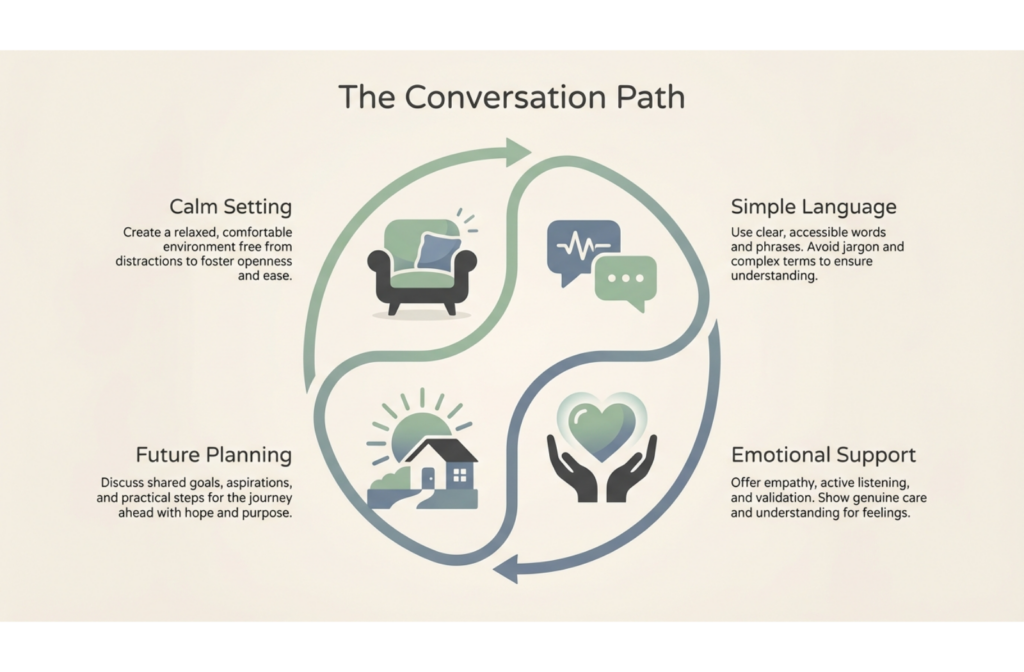
- Approach the talk in a calm setting with simple, direct language.
- Be prepared for a range of emotions and be ready to offer constant reassurance and support.
- Supportive communities, including memory care and respite care, can provide a positive path forward.
The Question of an Open Diagnosis
The first time you notice a loved one have a memory lapse isn’t always a cause for concern, but the second, third, fourth, and fifth times can all add up. At Liana of Venice, we understand there is no single right way to talk to a loved one about potential health concerns and the possibility of other lifestyle options like memory care—but having the conversation is important.
It’s important to remember that only a doctor can diagnose dementia, but having an open and honest conversation about your concerns and the warning signs you’ve noticed often provides an opportunity for loved ones to start seeking the right support and gives them a chance to participate in their own care choices. This approach can help reduce uncertainty for everyone involved and pave the way for supportive solutions, including memory care.
Consider the Benefits of an Open Conversation
Your loved one might already sense that something is different. Talking about these changes can validate their feelings and show them they aren’t alone in their concerns. It helps replace confusion with understanding.
Talking openly allows your family member to have a voice in important future plans. They can share their wishes about their care, finances, and personal matters, which helps honor their autonomy and ensures their preferences are known.
The unknown can cause a lot of anxiety. When your loved one understands what’s happening, it can ease their worries about the early signs of dementia they’re experiencing. Giving the condition a name can be a relief.
This conversation also opens the door to introducing new forms of support. It becomes easier to talk about options like joining a senior living community or exploring memory care in a way that feels collaborative, not imposed.
How to Approach This Sensitive Talk
Choose the Right Time and Place
Find a quiet moment when you and your loved one are both calm. A comfortable and familiar place, like their favorite chair in the living room, can help them feel more at ease. Try to minimize distractions so you can focus on each other.
Decide Who Should Be Present
Think about who your loved one trusts most. A private, 1-on-1 conversation may feel safest for them. In other cases, having another close family member or friend there can offer additional support and comfort.
Use Simple and Honest Language
Speak in a gentle, reassuring tone. Use clear and simple words to explain the situation, avoiding confusing medical terms. Following a few tips for effective communication can make the conversation smoother. After you share the information, give them plenty of time to absorb it and ask questions. Patience is key.
Prepare for Different Reactions
Understand Their Emotional Response
People react to this news in many ways. Your loved one might feel relieved to finally have an explanation, or they could react with denial, fear, or sadness. Because dementia affects everyone differently, be ready to listen to their feelings without judgment.
Offer Constant Reassurance
More than anything, your loved one needs to know they’re not alone. Remind them of your love and commitment. Frame the conversation around how you will face this journey together, focusing on partnership and positive coping strategies.
Explore Options for Continued Support
The Value of a Senior Living Community
A senior living community can offer a wonderful sense of connection and purpose. With daily social events and engaging activities, your loved one has opportunities to interact with peers and pursue their interests in a supportive setting.
How Specialized Memory Care Can Help
For individuals with cognitive changes, a dedicated memory care program provides a structured and safe environment. Learning what to expect from memory care can help you feel prepared as the focus is on individualized care that supports daily routines and encourages engagement.
Find Strength with Respite Care
Caring for a loved one is a journey, and taking breaks is important for you, too. Understanding the stages of caregiver burnout can highlight the need for support. Respite care offers short-term stays in a welcoming community, providing your loved one with quality care while you rest and recharge.
A Path Forward with Compassion
Once a diagnosis is discussed, the focus can shift from what’s been lost to what is still possible. It’s an opportunity to celebrate your loved one’s strengths and find new ways to connect and enjoy your time together.With the right approach and a supportive network, your loved one can continue to lead a life full of joy and purpose. At Liana of Venice, the team is dedicated to a person-first approach that honors each resident. Contact us and schedule a tour to learn how memory care and respite care can support your family.