


Key Takeaways
- Guardianship is a legal tool appointed by a court that allows you to make personal and healthcare decisions for a parent.
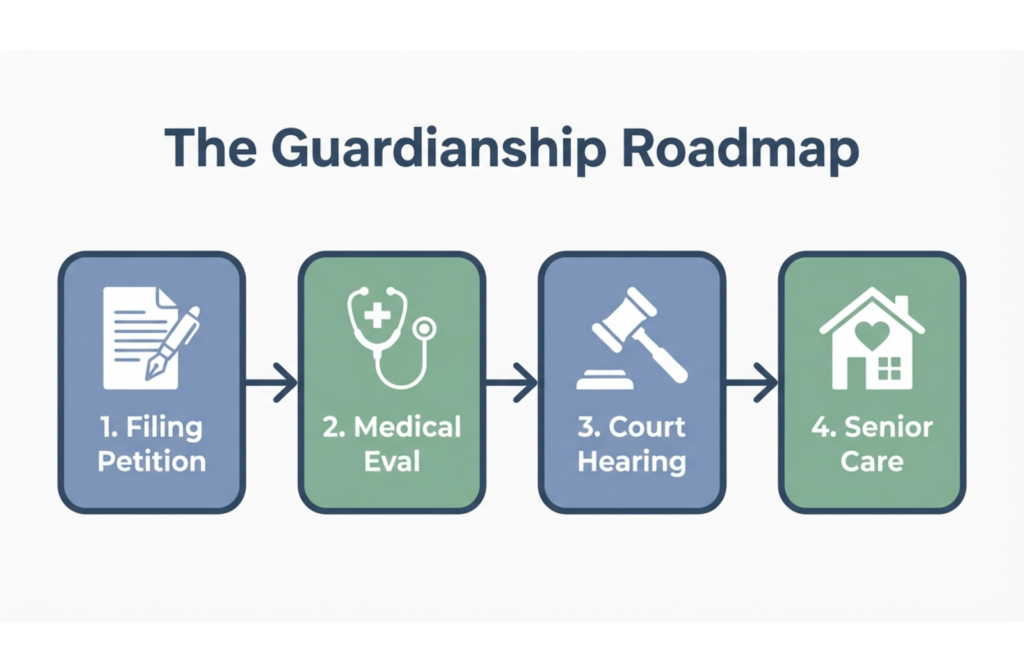
- The process involves filing a petition, a medical evaluation of your parent, and a formal court hearing.
- This authority can help you arrange the right type of senior living, including specialized memory care and short-term respite care.
- Alternatives like a Power of Attorney may also be options, depending on your family’s specific circumstances.
Understand What Guardianship Means for Your Parent
When a parent is living with dementia, you may reach a point where you need to help with their major life decisions. Navigating this path can feel overwhelming, but understanding the legal tools and support options available at communities like Liana of Venice can bring clarity and direction. It often starts with difficult questions, such as when someone with dementia should move into a memory care community.
Obtaining guardianship is a formal court process that grants you the legal authority to make decisions for a parent who can no longer do so independently. It is a significant step, designed to protect and support a loved one’s well-being when they are most vulnerable.
The Guardian’s Role and Responsibilities
Guardianship gives you a clear framework for managing your parent’s affairs. It helps you provide the support they need while honoring their dignity.
The Role of a Guardian
A guardian is appointed by a court to make decisions for a person who is determined to be unable to make those decisions on their own. The guardian’s responsibilities are significant and can cover everything from healthcare choices to daily living arrangements. For example, you may be responsible for consenting to medical treatments, managing medications, or deciding on the appropriate level of personal assistance.
In some cases, guardianship also extends to financial matters. This is known as conservatorship in many areas and involves managing your parent’s income, paying bills, and protecting their assets. The court defines the specific scope of your authority, so you have a clear understanding of your duties.
How This Differs From Power of Attorney
A Power of Attorney (POA) is a document your parent would have signed while they still had the capacity to appoint someone to act on their behalf. Guardianship is typically sought when a POA was never put in place or is no longer adequate for the situation. The main difference is that a court appoints a guardian.
Support for Major Life Decisions
As a guardian, you can help with important choices that affect your parent’s quality of life. You can coordinate their medical treatments, choose a suitable senior living community, and manage other aspects of their personal care to help them feel safe and comfortable.
This legal authority removes ambiguity, giving you the ability to act decisively in your parent’s best interest without delays. It can also provide peace of mind to other family members, knowing that there is a clear, court-approved plan in place to support your parent’s well-being and safety.
The Process to Seek Guardianship
The path to guardianship involves several formal steps. This structured process is in place to carefully consider the needs of your parent before a decision is made.
- File a Petition with the Court. The first step is to file a legal document, or petition, with the appropriate court. This document explains why your parent may need a guardian and outlines their current condition. You’ll likely need to provide details about their health and your relationship to them.
- Participate in a Medical Evaluation. The court requires a professional evaluation, typically from a physician or psychologist. This report provides the court with an objective assessment of your parent’s cognitive state and their ability to make informed decisions. The evaluation is a key piece of information the court uses to understand the level of support needed.
- Attend the Court Hearing. During a formal hearing, a judge reviews the petition and the medical evaluation. Your parent has the right to be present and have legal representation. This hearing is where the judge listens to all relevant information and determines if appointing a guardian is the most suitable course of action for your parent.
How Guardianship Supports Your Loved One’s Care
Once you have the legal authority of guardianship, you are better positioned to coordinate the compassionate care your parent needs. It allows you to act decisively on their behalf, reducing stress for both you and your parent by streamlining the process of arranging care.
Choose the Right Senior Living Community
You can make an informed decision about the type of senior living environment that can best support your parent. This includes finding a community with a warm, welcoming atmosphere and the right level of personal care. Having guardianship helps you to tour communities, ask detailed questions, and sign agreements on their behalf, ensuring they find a place that feels comfortable.
Arrange for Comprehensive Memory Care
Guardianship allows you to select a memory care program tailored to your parent’s individual needs. You can focus on finding a community that offers a person-first approach, helping your loved one continue the life they know and love. You can explore communities that offer innovative lifestyle experiences and compassionate therapy programs, all designed to elevate your parent’s quality of life while maintaining their dignity.
Coordinate Stays Like Respite Care
You can also arrange for short-term respite care. This is a valuable option that provides your parent with a safe, supportive environment while giving family caregivers a chance to rest.
Find Support for You and Your Parent
Navigating the journey of memory care involves finding a balance of support, love, and respect for your parent. Building a strong network with family and care providers, and focusing on what brings your loved one joy are key parts of the process. While guardianship is a legal tool, the foundation of care is compassion. Planning for future senior living needs can also bring peace of mind, knowing a supportive home is ready when needed.At Liana of Venice, the focus is on a holistic, 1-on-1 approach that honors each resident as a unique individual. Exploring your options is the first step toward finding a path that helps your loved one live well. Contact us today to schedule a tour and get started.